Electrical services and costs in Whistler
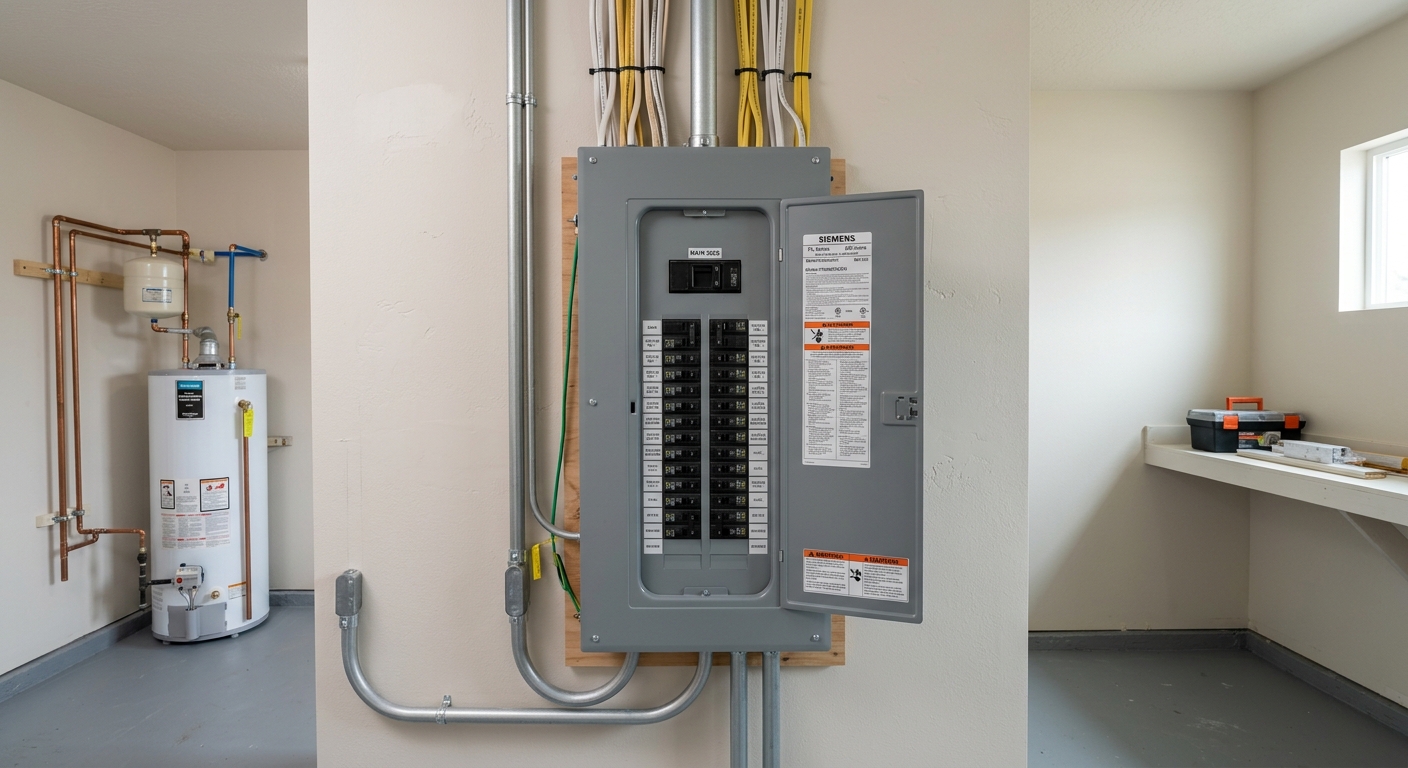
Whistler electrical work often centers on making older homes safe for today’s loads. With 21.1% of homes built before 1981, a lot of service calls end up being panel upgrades, wiring corrections, and—when insurance is involved—older wiring method removal or remediation. In a community of 13,982 people (Statistics Canada, 2021 Census), the market is relatively compact, so contractor availability and scheduling can influence final pricing, especially during peak winter renovation and service-demand periods.
In the Lower Mainland–Southwest, the climate and the housing mix shape what gets installed and what gets rebuilt. Many Whistler homes rely heavily on electric heating, and colder snaps increase total daily demand, which can expose undersized panels and tired breakers. At the same time, EV ownership is rising, and Level 2 charger installs often trigger a load-capacity review and, if you’re near the limit, a 100A-to-200A service upgrade. This is particularly common around Function Junction and along the corridor toward Creekside, where older neighbourhoods meet growing demand for modern outlets and EV infrastructure.
Because local labour, permitting/inspection stages, and service-access constraints run higher in the Lower Mainland–Southwest corridor, two quotes for the “same” job can differ materially once the electrician confirms wiring condition and required permits. Use the table below as a realistic starting point, then we’ll break down what drives those differences in Section 2.
| Service |
Why It's Needed |
Permit Required |
Price Range |
| Panel upgrade — 100A to 200A service |
Modern heat, EV charging, and kitchen/appliance loads often require more capacity and updated fault-current protection. |
Yes (service/panel change) |
$1,800 – $4,500 |
| EV charger installation (Level 2, 40–50A) |
Dedicated circuit and proper overcurrent protection to safely charge with reliable performance in Canadian winter conditions. |
Yes (new circuit and breaker work) |
$900 – $2,2 00 |
| Knob-and-tube wiring removal and replacement |
Obsolete insulation and connections raise fire risk and can cause insurance coverage issues; replacement restores compliance. |
Yes (rewiring/major alteration) |
$8,000 – $20,000 |
| Aluminum wiring remediation (CO/ALR connectors) |
Approved CO/ALR methods or partial replacement reduces overheating risk at terminations in older builds. |
Yes (major wiring remediation) |
$8,000 – $16,000 |
| New dedicated circuit (HVAC, appliance, hot tub) |
Prevents nuisance trips and improves safe performance for high-demand appliances that shouldn’t share older branch circuits. |
Yes (new branch circuit) |
$1,100 – $3,500 |
| Whole-home rewire (older home, full replacement) |
When wiring is end-of-life across rooms, full replacement is often the only reliable path to code compliance and resale readiness. |
Yes (full rewiring) |
$12,000 – $28,000 |
Prices are estimates only and vary by project scope, site access and material selection.
What affects the price of electrical work in Whistler
In Whistler and across British Columbia, the same upgrade can land 30% to 50% apart depending on what the electrician discovers once walls are opened and loads are calculated. The dominant driver is housing age: when you’re dealing with homes built decades ago, contractors often spend more time correcting wiring methods, upgrading protections, and verifying code compliance. For example, older knob-and-tube wiring can push a job from “add circuits” into “remove and rewire,” while many 1960s–70s homes were built around 60A or 100A panels that don’t comfortably support today’s load mix—especially electric heat, induction cooking, and EV charging.
Aluminum branch wiring (commonly seen in homes from the mid-1960s through the 1970s) typically requires licensed remediation using approved CO/ALR connectors, or in worse cases, a larger replacement scope. Where EV adoption is accelerating in the Lower Mainland–Southwest, more homeowners are requesting Level 2 chargers, which often forces a capacity review and can add costs similar to a panel/service upgrade band (for example, $1,800 – $4,500 when a service change is needed). Conversely, a straightforward EV circuit install without service limitations can stay closer to $900 – $2,500.
Local conditions also change cost in practical ways. In Whistler, tight access and finished basements can increase labour time, while permitting and inspection staging adds predictable overhead for major work. In winter, electricians also plan around safer ladder/physical conditions at service equipment, which can extend scheduling windows.
| Price Factor |
Why It Matters |
Cost Impact |
| Panel size upgrade — 100A to 200A is the standard minimum today |
Ensures modern fault protection and enough capacity for electric heat, appliances, and EV charging. |
Often increases scope into the $1,800 – $4,500 band |
| Wiring type — copper vs. aluminum remediation vs. K&T removal |
Aluminum and knob-and-tube require specific licensed corrections to meet safety expectations. |
Can shift from minor work to the $8,000 – $20,000 wiring band |
| Number of new circuits — each adds material and labour time |
Each branch circuit needs proper cable, breakers, routing, and terminations. |
Commonly adds hundreds to thousands depending on access and distance |
| Permit + ESA/TSBC inspection fee — mandatory for all major work |
Major changes must be permitted and inspected; fees and scheduling affect total cost. |
Predictable add-on cost and time buffer |
| Labour rate for licensed electricians — journeyman rates in {region} |
Skilled labour time drives most of the cost for troubleshooting, panel work, and wiring corrections. |
Higher rates generally push multi-day jobs toward the upper band |
| EV charger amperage — 40A vs. 50A circuit affects cable and breaker cost |
Higher current typically means different cable sizing and breaker/material selection. |
May move you within the $900 – $2,500 installation band |
| Emergency or after-hours premium |
Fault conditions and after-hours callouts cost more due to travel, scheduling, and urgency. |
Can add a noticeable premium over standard daytime labour |
| Load calculation required for service upgrade |
Proper sizing depends on actual installed loads, not guesses. |
Often required; can add time but prevents costly undersizing |
Permits & regulations in British Columbia
In British Columbia, all electrical work beyond changing a light bulb must be completed by a licensed electrician. Permits are required for panel upgrades, new circuits (including EV charger installations), rewiring, and any service equipment changes. After the work is completed, permitted work must pass inspection by the provincial electrical safety authority—Technical Safety BC. DIY electrical work is prohibited for most jobs; the homeowner “exceptions” are narrow and typically don’t cover anything that involves wiring, replacing breakers, altering service equipment, or making new connections. For Whistler homeowners, this matters because older wiring methods (like knob-and-tube) or outdated service ratings can trigger requirements that an insurance company may also scrutinize during underwriting or resale.
Step-by-step, verify a contractor’s British Columbia licence and coverage before they start:
- Confirm the electrician/company licence using the provincial registry (look for the current, valid registration number tied to the business).
- Request a current certificate of insurance showing liability coverage limits.
- Ask about WSIB/WCB coverage (in BC terms, confirm their workers’ compensation coverage status or clearance documentation).
- Get the permit details in writing (who pulls the permit, for what scope, and the expected inspection stage).
- Keep copies of inspection results/approvals for resale and insurance documentation.
If a contractor won’t provide proof of licensing/insurance or won’t pull permits for panel/service work, treat that as a serious red flag.
When your Whistler home needs an electrical upgrade
In Whistler, upgrades are usually safety- and code-driven, not cosmetic. The first warning sign is breakers that trip regularly. That often points to an overloaded panel, undersized circuits, or wiring faults—especially when winter electric heat increases continuous load. Second, knob-and-tube wiring is a key concern because insulation and connection methods are no longer considered safe for modern living; the issue isn’t just “age,” it’s the risk profile and how insurers may respond.
Third, if you have a 60A or 100A service, it may be inadequate for today’s typical load mix—EV charging, heat pumps (or electric furnaces), and high-demand kitchen loads running at the same time. In many cases, a 200A upgrade is the standard solution for safe long-term capacity. Fourth, aluminum wiring in pre-1976 construction isn’t always an immediate emergency, but it commonly requires licensed remediation (for example, CO/ALR connectors and correct terminations) to reduce overheating risk. Fifth, insufficient outlets—extension cords everywhere—signals circuit loading problems. Finally, no AFCI or GFCI protection where required can become a code-compliance issue that surfaces during resale inspections and insurance reviews.
Immediate action is warranted for repeated tripping with burning odours, visible scorching at outlets/panels, or any evidence of arcing. Planned upgrades are appropriate for older wiring types and marginal capacity—schedule early so you can coordinate permitting and utility steps. If your load is already tight, the “cheapest” option (adding one circuit) can cost more than a planned service change over the long run.
| Warning Sign |
What It Means |
Recommended Action |
Urgency |
Price Band |
| Breakers trip frequently |
May indicate overload, failing breaker, or wiring faults under heavier winter use. |
Troubleshoot load and circuit condition; confirm panel capacity and correct breaker/cable sizing. |
Immediate |
$900 – $3,500 |
| Knob-and-tube wiring present |
Obsolete wiring method with degraded insulation and outdated connection practices. |
Remove/replace affected circuits as required; consider a broader plan if pervasive. |
Immediate to planned (depending on scope) |
$8,000 – $20,000 |
| 60A or 100A panel (inadequate load capacity) |
Likely insufficient for EV charging and modern appliance/electric heat usage. |
Load calculation and upgrade to 200A if required. |
Planned but time-sensitive |
$1,800 – $4,500 |
| Aluminum wiring (pre-1976 construction) |
Potential terminations overheating risk if not remediated properly. |
Licensed remediation with approved methods or partial/full replacement where needed. |
Planned |
$8,000 – $16,000 |
| Insufficient outlets — extension cords everywhere |
Improper temporary loading and trip hazards from overloaded multi-plug setups. |
Add outlets and dedicated circuits; verify GFCI/AFCI compliance where required. |
Planned |
$1,100 – $3,500 |
| No AFCI or GFCI protection where required |
Code-compliance gaps that increase shock/fire risk and can block sale/financing. |
Upgrade receptacles/breakers to meet requirements for the applicable areas. |
Planned (but do before resale) |
$200 – $2,500 |
How to choose a electrical work contractor in Whistler
Choosing the right electrician in Whistler starts with proof. First, verify their British Columbia licence: ask for the licence number and confirm it via the provincial registry. Next, request liability insurance documentation and ensure they carry workers’ compensation coverage for their employees. Don’t rely on verbal assurances—ask for certificates, clearance letters, or documentation dated within the current year.
Then get two or three itemised written quotes. You want a labour + materials breakdown (cable, breakers, panels, EV charger unit if included, and any specialty parts), not just one lump sum. Ask whether the quote includes permit pulling and whether inspection fees are included, and confirm disposal/haul-away for any removed equipment. A proper scope will specify exactly what’s changing—panel brand/model, breaker sizes, charger amperage, wiring method, and where new circuits will land.
Warranty matters too. Look for a clear workmanship warranty length (often 1–2 years), and separate product/manufacturer warranty details. If you’re upgrading as part of a sale, confirm whether the warranty is transferable to the next owner. For payment schedule, never let the total upfront exceed 10% to 15%; hold back until testing, inspection, and documentation are complete. Finally, ensure timeline details are in writing: a start date, estimated duration, and inspection scheduling plan.
- Licence number and BC registration verified before work begins
- Current certificate of liability insurance provided
- Workers’ compensation coverage confirmed
- Itemised quote: labour, materials, and any specialty labour separated
- Permit and inspection costs stated (and who pulls the permit)
- Clarify exclusions: drywall patching, landscaping restoration, cable runs hidden in finishes
- Confirm disposal/haul-away for old panel components or removed wiring
- Scope notes for EV chargers: charger model, hardwire vs. plug-in, amperage, and breaker rating
- Written wiring diagram or as-built notes where applicable
- Workmanship warranty stated in writing
- Payment schedule: small deposit only; holdback until testing/inspection passed
- Completion documentation provided (including inspection approval/permit details)
Red flags in Whistler include: quotes that won’t itemise materials and permit steps, promises of “no permits needed” for panel/service changes, reluctance to provide licence/insurance documentation, vague warranties, and payment requests that exceed 10%–15% upfront without a signed agreement and schedule.
Frequently asked questions — electrical work in Whistler
Do I need a permit for electrical work in British Columbia?
In British Columbia (including Whistler), permits are required for most electrical work that changes wiring or equipment—not just for obvious “big jobs.” Panel upgrades, service changes, new circuit installations, rewiring, and EV charger installations all require a permit and inspection by Technical Safety BC. Simple work like replacing a like-for-like light bulb doesn’t require a permit, but as soon as you’re adding circuits, changing breakers, or altering service equipment, expect permitting.
Before you book the work, ask your electrician to confirm who will pull the permit and what inspections are expected. A correctly permitted job matters for insurance and resale documentation, particularly in older Whistler homes where service capacity and wiring methods may need correction. If your scope is in the panel upgrade range (commonly $1,800 – $4,500), make sure the permit and inspection steps are explicitly included in the quote.
What are signs of an overloaded electrical panel?
Signs of an overloaded panel typically show up as frequent breaker trips, dimming lights when appliances start, or warm/humming breakers and panel components. In Whistler specifically, electric heating and cold-weather plug-in loads can increase baseline demand, so symptoms may be more noticeable during winter months. Another indicator is when homeowners keep adding “quick fixes” like extension cords or powering high-demand items from older shared circuits.
Overload isn’t always the only cause—faulty breakers or damaged wiring can look similar—so you should treat recurring tripping as a safety issue to troubleshoot, not just a nuisance. If your home also has a 60A or 100A service, it may be time for a load calculation. Many homes then qualify for a 200A upgrade, which commonly falls into the $1,800 – $4,500 band depending on access and component needs.
Can I do my own electrical work in British Columbia?
In British Columbia, DIY electrical work is heavily restricted. As a homeowner, you generally cannot perform work that involves wiring, adding circuits, replacing breakers, or altering service equipment. The rules are designed to protect against shock and fire risk, and permitted work must be completed and inspected to BC safety requirements by a licensed electrician (Technical Safety BC’s inspection process applies once permits are pulled).
Even if you’re handy, many “small” tasks can still trigger permitting—especially when you open walls, relocate outlets, add a dedicated circuit for an appliance/hot tub, or install a Level 2 EV charger circuit. In Whistler, with many older homes and mixed wiring conditions, DIY attempts can also create additional rework costs for remediation or code compliance. If you’re unsure whether a task requires a permit, ask an electrician to review your plan first and confirm what must be permitted and inspected.
How long does a rewiring job take?
Rewiring timelines vary a lot based on how extensive the work is, whether walls are open, and whether the home is finished. A whole-home rewire in an older Whistler house with knob-and-tube or extensive aluminum wiring commonly takes several days to a few weeks. Partial rewires (for example, removing K&T from specific areas and re-running those circuits) may be faster but still require careful testing, labelling, and inspection readiness.
Local conditions can affect schedule: tight access, winter weather for outside service components, and permit/inspection booking windows can add time. Also, if the job includes a service upgrade alongside rewiring, plan for additional coordination—inspections and utility scheduling steps must line up. If you’re comparing options, remember that rewire scope often sits in the $8,000 – $20,000 band, and time is part of what you’re paying for: safe terminations, correct cable routing, and compliance testing.
Why do my breakers keep tripping?
Breakers that keep tripping usually point to one of three categories: overload, a short/ground fault, or aging/faulty components. In Whistler, winter loads—electric heat, hot water cycling, de-icing/plug loads, and EV charging (if present)—can combine to push circuits beyond their safe operating limits. If tripping happens when specific appliances run, the issue may be an appliance drawing too much, a circuit that’s missing proper dedicated wiring, or a connection problem in that branch.
However, don’t assume it’s just “too much stuff.” Damaged wiring, loose terminations, and moisture-related faults can also cause trips and increase risk. Treat frequent tripping as a troubleshooting call. If your panel is undersized (commonly tied to older 60A/100A services), a 200A upgrade may be necessary, often in the $1,800 – $4,500 range when service work is required.
How do I compare electrical quotes?
To compare electrical quotes in Whistler fairly, start by ensuring the scope matches. Ask each contractor to provide an itemised quote with labour and materials separated, not just a total number. Confirm who will pull the permits and whether inspection/ESA-equivalent (Technical Safety BC) steps are included. Look for what’s excluded—drywall patching, disposal/haul-away, trenching/restoration, and whether any hidden wiring conditions are assumed or require change orders.
Next, compare critical specifications: panel brand/model, breaker sizes, whether aluminum remediation uses approved CO/ALR methods, and for EV chargers, the charger model and circuit amperage (40A vs 50A can change cable/breaker cost). Be cautious with quotes that only quote the “headline” panel upgrade band (often $1,800 – $4,500) but omit load calculations or wiring remediation assumptions. Finally, check warranty terms, payment schedule (avoid large upfront payments), and requested start/completion dates in writing.