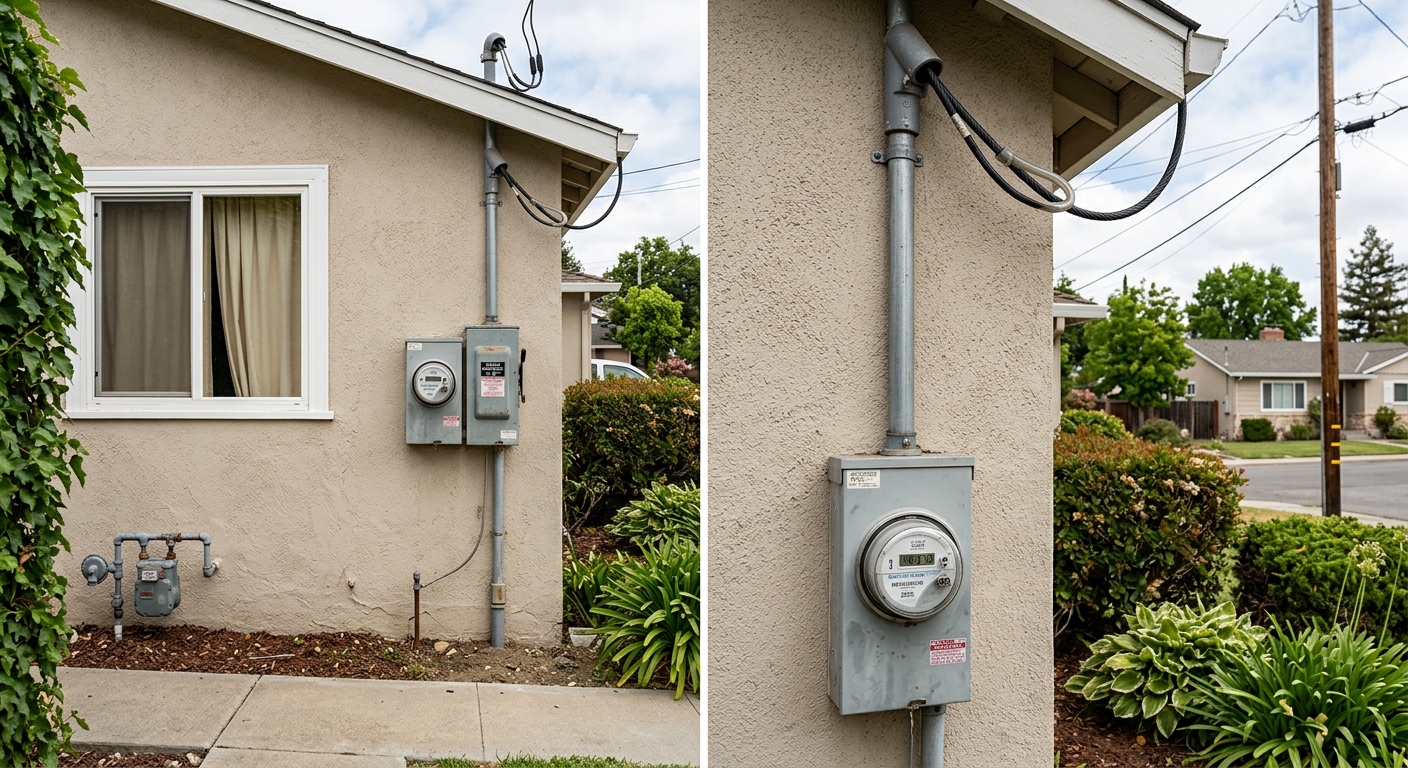
Electrical services and costs in Centre District
In Centre District, Ontario, electrical upgrades are a routine part of keeping older housing safe and compliant—especially as homeowners add modern loads like EV charging, heat pumps and upgraded kitchens. With just 1,656 people in the area (Statistics Canada, 2021 Census), you may not see as many contractors competing inside Centre District itself, so scheduling can tighten when projects spike across nearby Toronto neighbourhoods. Just as important, the surrounding Toronto housing stock includes a lot of pre-1970 construction where knob-and-tube wiring and mid-century aluminum branch wiring still show up, making safe capacity upgrades more common than in newer suburbs.
Toronto pricing is shaped by density and turnover: older homes are often retrofitted during renovations, and new infill/condo demand keeps electricians busy year-round. Climate also plays a role. Cold winters and heavy summer humidity increase the run-time of HVAC and comfort loads, and electrical systems that are “working” can still be overloaded when you add an EV charger or electric heat. That’s why many jobs in Centre District end up as a bundled scope—service and panel upgrade plus targeted rewiring, rather than a single small repair.
Demand is especially high in older streetcar-era pockets of downtown where many homeowners are finishing basements, converting them into rental units, or installing Level 2 EV chargers. Once you confirm what wiring type and panel size you have, the next step is comparing typical cost ranges for the most common upgrade paths in Centre District, as shown below.
| Service |
Why It's Needed |
Permit Required |
Price Range |
| Panel upgrade — 100A to 200A service |
Modern load capacity for EV chargers, heat pumps, electric cooking, and future circuits; improves safety and code compliance. |
Yes (permit + ESA inspection) |
$2,500–$6,000 |
| EV charger installation (Level 2, 40–50A) |
Dedicated, code-compliant charging circuit with proper breaker, wiring, and load considerations. |
Yes (permit + ESA inspection) |
$900–$2,500 |
| Knob-and-tube wiring removal and replacement |
Knob-and-tube wiring is difficult to verify for safe insulation condition; removal reduces fire risk and supports insurance requirements. |
Yes (permit + ESA inspection) |
$3,000–$15,000 |
| Aluminum wiring remediation (CO/ALR connectors) |
Approved connector remediation (CO/ALR) at splices/terminations reduces overheating risk where aluminum branch wiring is present. |
Yes (permit + ESA inspection) |
$2,500–$12,000 |
| New dedicated circuit (HVAC, appliance, hot tub) |
Prevents overloads by giving high-draw equipment its own protected feed. |
Yes (permit + ESA inspection) |
$500–$2,500 |
| Whole-home rewire (older home, full replacement) |
Full modernization of wiring layout, correct grounding/bonding, and safe capacity for today’s electronics and appliances. |
Yes (permit + ESA inspection) |
$10,000–$25,000 |
Prices are estimates only and vary by project scope, site access and material selection.
What affects the price of electrical work in Centre District
In the Toronto economic region—including Centre District—quotes for the “same” electrical upgrade can vary by 30–50% because the hidden differences usually aren’t obvious in a first phone call. The biggest driver is the age and type of housing stock. Homes built before 1950 are more likely to have knob-and-tube wiring, and insurance firms often refuse coverage when it’s still in place. On the other hand, homes from the 1960s to 1970s frequently have smaller panels (sometimes 60A or only marginal 100A capacity) and, in many cases, aluminum branch wiring (commonly around 1965–1976). Aluminum systems often require licensed remediation using approved CO/ALR connectors—or a full replacement if terminations/splices can’t be safely upgraded.
EV adoption is also reshaping costs. In Centre District and nearby Toronto areas, Level 2 charger permit applications have surged because many owners want a 40–50A circuit now, not later. That pushes electricians to schedule more service upgrades and load calculations back-to-back, and it affects labour availability. At the same time, demand can lower costs when contractors have crews already working close by and don’t need to travel or do major service work immediately.
For example, a panel upgrade often sits in the $2,500–$6,000 range when the existing service gear is accessible and the wiring environment is straightforward. But if you need significant remediation plus trenching, relocation, or extensive rework, budgets can jump toward the higher end of the $3,000–$15,000 wiring band. Similarly, the difference between a 40A and 50A EV circuit can change the cable/braker spec and labour time, even if the charger brand is the same.
Finally, Toronto work costs are sensitive to time-of-day and inspection sequencing. After-hours or emergency callouts add premiums because ESA/inspection scheduling and crew time can be less flexible.
| Price Factor |
Why It Matters |
Cost Impact |
| Panel size upgrade — 100A to 200A is the standard minimum today |
More capacity supports EV charging, heat pumps, and modern kitchen loads without nuisance tripping. |
Typically moves the project into the $2,500–$6,000 band depending on complexity. |
| Wiring type — copper vs. aluminum remediation vs. K&T removal |
Copper is generally lower-effort to upgrade; aluminum needs specific remediation; knob-and-tube often needs removal. |
Can add thousands—remediation may fit mid-range; K&T removal can reach the upper wiring band. |
| Number of new circuits — each adds material and labour time |
Every circuit requires wiring, protection, terminations, testing, and sometimes new boxes. |
Small adds can be modest; many new circuits stack costs quickly. |
| Permit + ESA/TSBC inspection fee — mandatory for all major work |
Major work requires permitting and inspection to confirm code compliance and safe installation. |
Usually adds about $200–$500 depending on scope. |
| Labour rate for licensed electricians — journeyman rates in {region} |
Labour time is driven by access (finished basements, crawlspaces, old conduits), troubleshooting, and rework. |
Regional labour commonly runs about $90–$120 per hour. |
| EV charger amperage — 40A vs. 50A circuit affects cable and breaker cost |
Higher amperage can require different conductors and protection sizing. |
Often shifts EV charger jobs within the $900–$2,500 range. |
| Emergency or after-hours premium |
Scheduling urgency and limited crew availability increase cost. |
Can add a noticeable premium versus standard daytime work. |
| Load calculation required for service upgrade |
Code-driven calculations confirm the right service/panel size and prevent undersizing. |
May add design/troubleshooting time, but helps avoid expensive rework later. |
Permits & regulations in Ontario
In Ontario, beyond changing a light bulb, installing or altering fixed wiring is considered electrical work that must be done by a licensed electrician and typically requires permits. Panel upgrades, service upgrades, rewiring, adding new circuits (including dedicated EV charger circuits), and any job that changes the capacity or configuration of the electrical system generally needs a permit, followed by inspection by the electrical safety authority for Ontario. In practice, the permit process is one reason pricing can feel “higher but predictable”: you’re paying for licensed labour, correct materials, proper testing, and inspection readiness.
For homeowners in Centre District, the key is to confirm the contractor’s licence and coverage before work starts. Step 1: verify the electrician/contractor’s Ontario licence through the provincial licensing registry associated with electrical contractors and trades. Step 2: request a certificate of insurance (liability) and confirm it matches the type of work and includes electrical contracting coverage. Step 3: ask for proof of WSIB coverage (or applicable clearance) if they operate in Ontario—don’t rely on verbal assurances.
As a general guide, work that typically does not require a permit is simple like replacing a receptacle cover or swapping fixtures that do not involve wiring changes (and even then, the wiring portion must be handled by the licensed trade where applicable). Anything involving new circuits, panel modifications, service conductors, or safety-critical wiring changes requires a permit and inspection.
When your Centre District home needs an electrical upgrade
In Centre District, the warning signs aren’t cosmetic—they can point to overloaded wiring, inadequate protection, or components that no longer meet today’s safety expectations. Start with the most obvious: (1) breakers that trip frequently. That usually indicates an overloaded circuit or a failing breaker/connection and deserves immediate attention—especially in winter when heating loads increase. (2) Knob-and-tube wiring is a red flag not just because it’s old, but because the insulation condition can be hard to verify and insurance coverage is often impacted; if you see it, plan for removal and replacement rather than “living with it.” (3) A 60A or 100A panel often can’t support a modern load profile when EV charging, heat pumps, and electric cooking happen at the same time. In Toronto’s market, that’s why the 200A upgrade is the standard solution: budgets commonly align with the $2,500–$6,000 panel upgrade band when the service approach is straightforward.
(4) Aluminum wiring (often in pre-1976 construction) isn’t automatically dangerous if it’s well-maintained, but it must be remediated by a licensed electrician using approved CO/ALR connectors or replaced where terminations are unsafe. (5) Insufficient outlets and extension cords everywhere are a safety issue: they’re typically a symptom of underspecified circuits. (6) Finally, missing AFCI/GFCI protection where required can surface at home sale and may require upgrades to bring circuits up to code.
In Centre District’s downtown-leaning housing stock, you’ll often see multiple issues together—like a small panel plus older wiring—so pricing differences between “fix one thing” and “do it properly once” are justified when the contractor needs to open walls, correct terminations, and ensure the service can safely carry future loads.
| Warning Sign |
What It Means |
Recommended Action |
Urgency |
Price Band |
| Breakers trip frequently |
Overload, undersized circuits, loose connections, or failing protection. |
Have the panel/circuits tested; identify which loads trip and correct the load plan. |
Immediate |
$500–$2,500 |
| Knob-and-tube wiring present |
Old insulation and hidden deterioration; insurance concerns are common. |
Plan K&T removal and replacement; often paired with service/panel modernization. |
Planned upgrade (schedule soon) |
$3,000–$15,000 |
| 60A or 100A panel (inadequate load capacity) |
Panel can’t safely accommodate modern additions like EV charging and heat pumps. |
Load calculation, then upgrade to 200A service where required. |
Planned upgrade (before adding new loads) |
$2,500–$6,000 |
| Aluminum wiring (pre-1976 construction) |
Potential overheating at terminations/splices without remediation. |
Licensed CO/ALR connector remediation or selective replacement at problem areas. |
Planned upgrade (address as part of renovations) |
$2,500–$12,000 |
| Insufficient outlets — extension cords everywhere |
Overreliance on temporary power; increased risk of overheating and nuisance tripping. |
Add outlets and/or dedicated circuits; correct overloaded circuit paths. |
Immediate to planned (depending on severity) |
$500–$2,500 |
| No AFCI or GFCI protection where required |
Code compliance and shock/fire protection gaps. |
Upgrade protection devices and update affected circuits to current requirements. |
Planned upgrade (often triggered by sale/renos) |
$200–$5,000 |
How to choose a electrical work contractor in Centre District
For Centre District homeowners, the fastest way to avoid surprises is to vet the electrical contractor before you sign anything. First, verify Ontario licensing: ask for their Ontario electrical contractor/licence details and confirm them through the provincial licensing registry. Second, confirm liability insurance by requesting a certificate of insurance (COI) that lists the contractor and shows appropriate coverage for electrical contracting. Third, request proof of WSIB/WCB coverage documentation (or clearance where applicable). A serious contractor won’t mind these checks—they’re part of doing business properly.
Next, get 2–3 itemised written quotes. You want a breakdown of labour, materials, and allowance items (like extra cable, breakers, panel parts, disposal, and any finish restoration if wiring runs through walls). Don’t accept “lump sum” pricing without scope clarity—especially with older Toronto homes where access problems can change work time. Confirm whether the quote includes permit pulling, ESA inspection coordination, testing, and disposal of removed materials.
Warranty matters too. Ask for the workmanship warranty length (typical expectations are a meaningful period, not just a week), and understand whether manufacturer warranties for panels, breakers, and chargers are included and if they transfer to you. For payment, never pay more than 10–15% upfront; keep a holdback until the job is complete and inspected. Finally, require a start date and completion estimate in writing so you can plan around winter heating and EV charging needs.
- Provide Ontario licence number and confirm it online before scheduling
- Show COI (liability insurance) and confirm coverage limits
- Provide WSIB/WCB proof/clearance documentation
- Quote must list labour hours, materials, and any site access allowances
- State whether permit pulling and ESA inspection scheduling are included
- Clarify if disposal/patching of openings is included or extra
- Specify what panel/charger model and breaker types are being installed
- Confirm whether a load calculation is included for service upgrades
- Ask how they handle knob-and-tube or aluminum if discovered
- Get a workmanship warranty in writing
- Use a payment schedule with 10–15% max deposit and a final holdback
- Provide a written timeline with start/completion targets
Red flags I commonly see in Centre District include: contractors who won’t pull the permit, vague scopes like “rewire as needed,” refusal to provide licence/insurance/WSIB documentation, charging a large upfront deposit, and quotes that don’t explain what happens if hidden knob-and-tube/aluminum issues are uncovered during demolition.
Frequently asked questions — electrical work in Centre District
What is a load calculation and why does my electrician need one?
In Centre District and across Ontario, a load calculation is a code-based method to estimate how much electricity your home can draw, based on connected devices, heating types, and planned additions (like EV chargers and heat pumps). Your electrician uses it to confirm that your service size and panel rating are appropriate and that you won’t undersize the system, which can lead to nuisance tripping, overheating, or forced rework later. It also helps justify upgrades: many homes end up needing 200A when modern loads are added, and a proper calculation supports the permit and inspection requirements. If you’re shopping quotes, ask whether a load calculation is included—especially when you’re moving from 100A to 200A (commonly $2,500–$6,000 in this area).
How do I find a licensed electrician in Centre District?
For Ontario work in Centre District, start by asking the contractor for their Ontario electrical contractor/trade licence details and verifying them through the provincial licensing registry. Next, request a certificate of insurance showing liability coverage and confirm they can work on your type of project (panel upgrades, EV circuits, rewiring). Also ask for WSIB/WCB proof or clearance—reputable contractors will provide it without hesitation. You can also compare response times and whether they’ll handle permits and ESA inspection scheduling. Because Centre District is small (1,656 people in the local profile, Statistics Canada, 2021 Census) and pricing reflects GTA demand, it’s wise to book early and get at least two itemised quotes. This reduces the risk of being pushed into an emergency after-hours rate.
Can I add a subpanel to my Centre District home?
Yes, subpanels are commonly added in Toronto-area homes, especially when homeowners finish basements, create rental units, or add multiple circuits for modern appliances. In Ontario, adding a subpanel usually requires a permit and inspection because it involves circuit layout changes and often work at or near the main panel. Your electrician should confirm grounding/bonding requirements, conductor sizing, and whether the main service/panel has spare capacity. In many cases, a subpanel addition triggers a load calculation and may lead to a panel upgrade if you’re already near the limits. If you’re budgeting, remember that a subpanel can be cheaper than a full rewire, but it still depends on wiring runs and whether older wiring types (knob-and-tube or aluminum) need remediation. When service capacity is tight, the project can align with the $2,500–$6,000 panel upgrade band.
How much does an electrician cost in Centre District?
In Centre District and the broader Toronto region, licensed electrical labour is commonly priced around $90–$120 per hour for journeyman work, but your total cost depends on scope, access, and whether the job requires service work, permits, and inspection. Major electrical projects also include administrative permit/inspection fees that commonly fall in the $200–$500 range depending on the scope, plus materials. That’s why two quotes for “add a circuit” can differ: one may involve a short cable run in an open basement area, while another requires opening finished walls, upgrading protection devices, and reworking older wiring. For many homeowners, the clearest budgeting anchor is to compare to typical bands: EV charger installations in the GTA commonly land around $900–$2,500, while service/panel upgrades often fall between $2,500 and $6,000. Always ask for itemised labour and material breakdowns.
How much does a panel upgrade cost in Centre District?
A panel upgrade—most often from 100A to 200A—is the standard minimum today when your home is adding EV charging, heat pumps, electric cooking, or new circuits. In Centre District, pricing typically sits around $2,500–$6,000 for a straightforward upgrade with accessible service gear and minimal remediation. Costs can move higher if service relocation, trenching, extensive wiring corrections, or knob-and-tube/aluminum remediation is needed to meet code and pass inspection. Toronto’s dense housing means contractors often face tighter access constraints and more scheduling demand, which can affect labour time. Ask your electrician whether the quote includes a load calculation, permit pulling, and ESA inspection coordination—these details can change the real-world cost even when the “headline” panel price sounds similar.
Do I need to upgrade to a 200A panel?
You don’t automatically need a 200A panel in every Ontario home, but in Centre District the answer is frequently “yes” when you’re adding modern high-demand loads. If you’re installing a Level 2 EV charger, running electric heat or a heat pump, and using an electric stove/major appliances, a 60A or undersized 100A service can become inadequate. Even if the system works today, the combined load profile in winter and summer can push you into nuisance tripping or unsafe conditions. A licensed electrician can confirm this with a load calculation and an inspection of your existing wiring and panel condition. If the calculation supports it, upgrading to 200A is often the most practical way to avoid repeated upgrades—budget-wise it commonly aligns with the $2,500–$6,000 panel/service band in this area.